Diego Valdés González
Personal interests
What I do when I am not modeling a project. Endurance sport taught me how to hold a line under pressure; hockey taught me how to do it with a team; the rest is what I read, what I practise, and who I keep close.
Sports
Ironman 70.3
Three half-distance races, most recent first. Each one taught something the previous one had not.
-
Los Cabos
The worst conditions I have raced in: swimming against the current in hot water, a hot fast headwind on the bike, no clouds, a heat wave, and a course with real climbing that was burning me alive. I vomited twice while riding and did not stop. I got dizzy and had to put everything into my breathing, and did not stop. By the end of the bike leg my mind was hunting for a way out — I thought about faking a fall, because I would rather have taken the crash than keep going. I never stopped. I reached transition and completed the half marathon one step at a time. It is the hardest physical thing I have ever done.
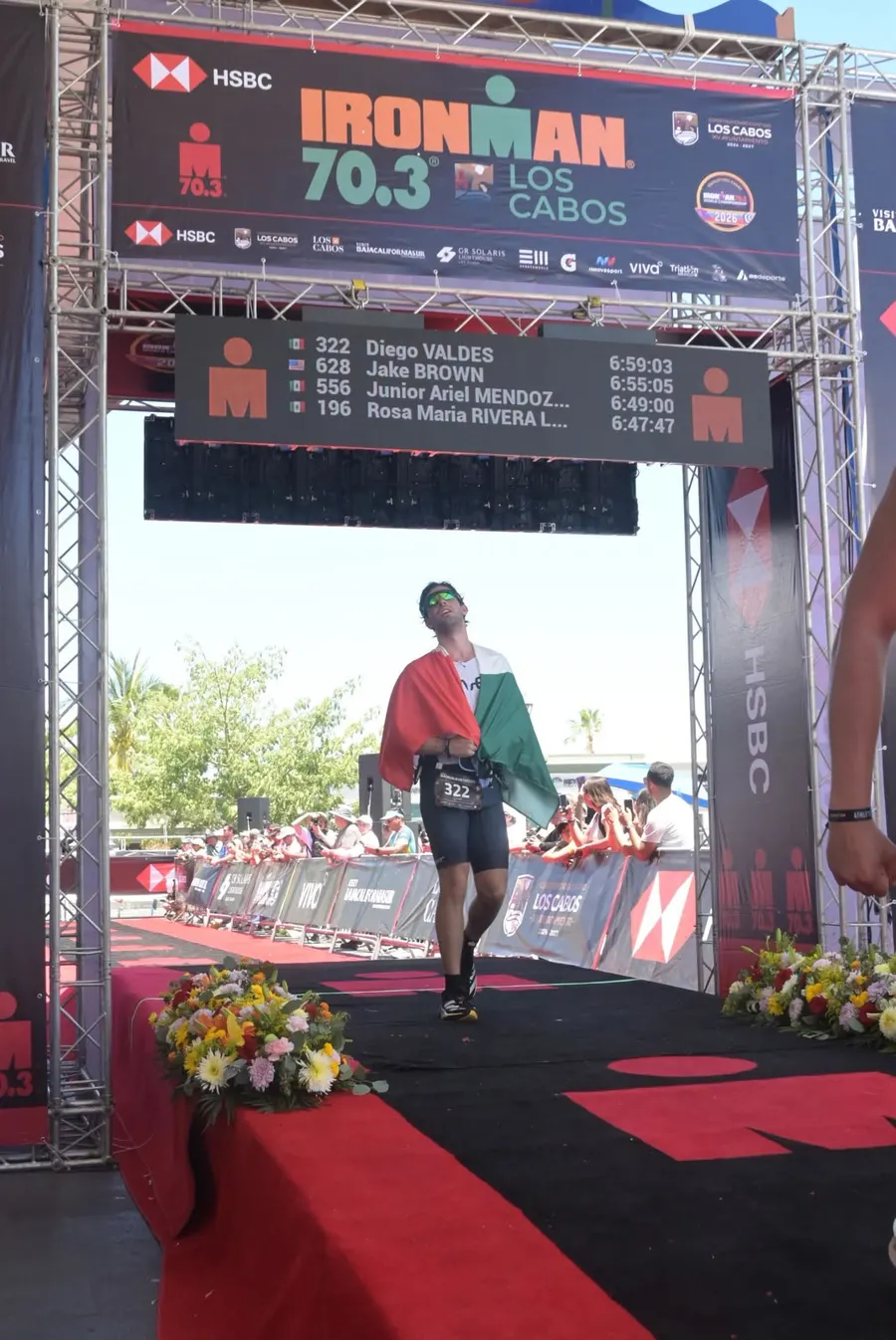
Ironman 70.3 Los Cabos — 6:59:03. -
Boulder, Colorado
My best race and the one I would point to. I was at my highest physical level and my head had already been trained by Indian Wells, so I went all in: five hours and nine minutes, without a single energy gel. I fainted the moment I crossed the line. I had given up my entire social life for it, gladly, because I had one objective and I did not want anything pulling me off course. Remembering it still gives me chills.
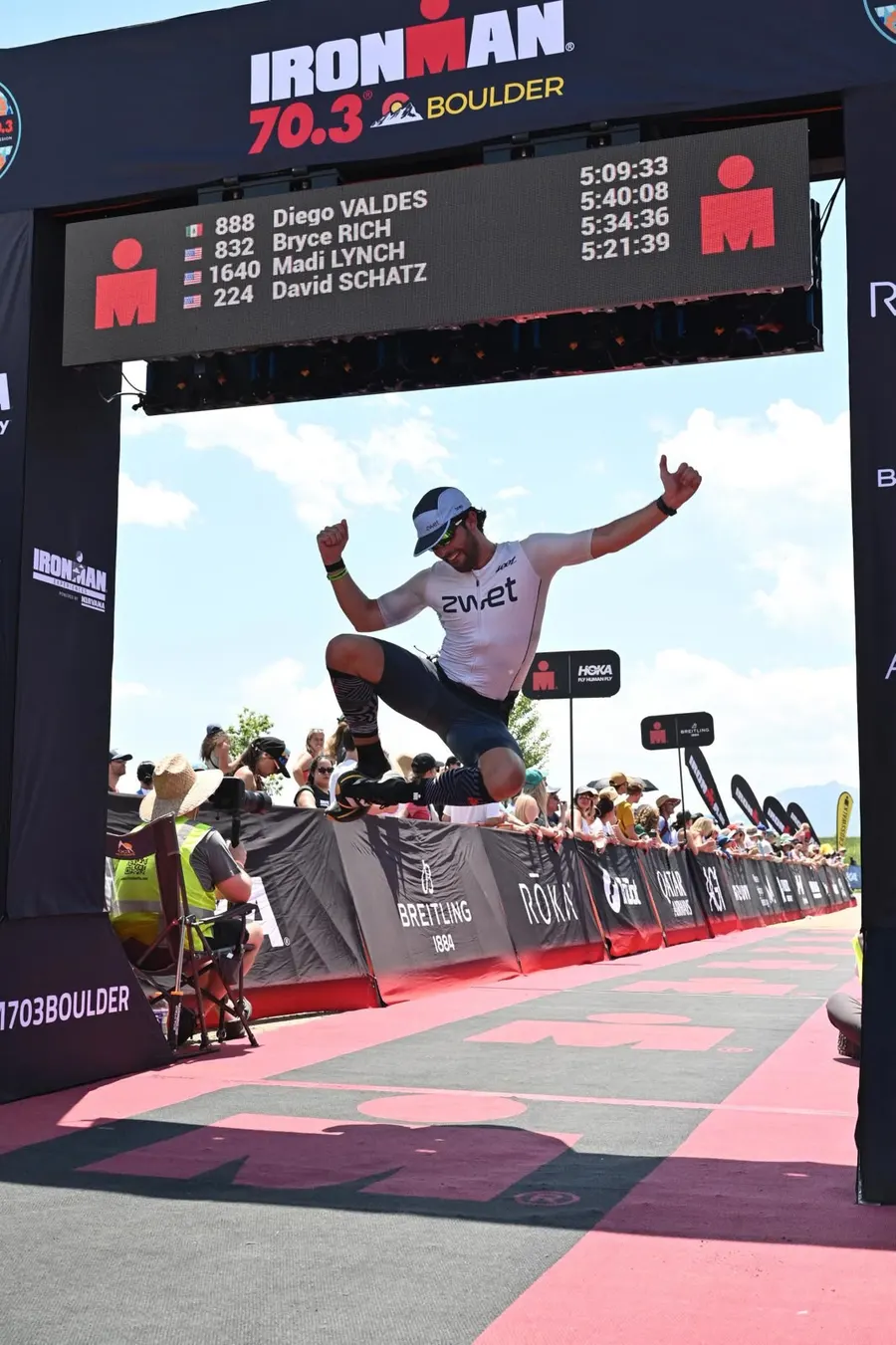
Ironman 70.3 Boulder — 5:09:33. -
Indian Wells
My first one, and the one that showed me what this sport actually demands. The mentality it forces on you is simple and brutal: one stroke, one pedal, one step at a time. What I took away is that dedication is what makes greatness — I learned it on that course, not in a book.
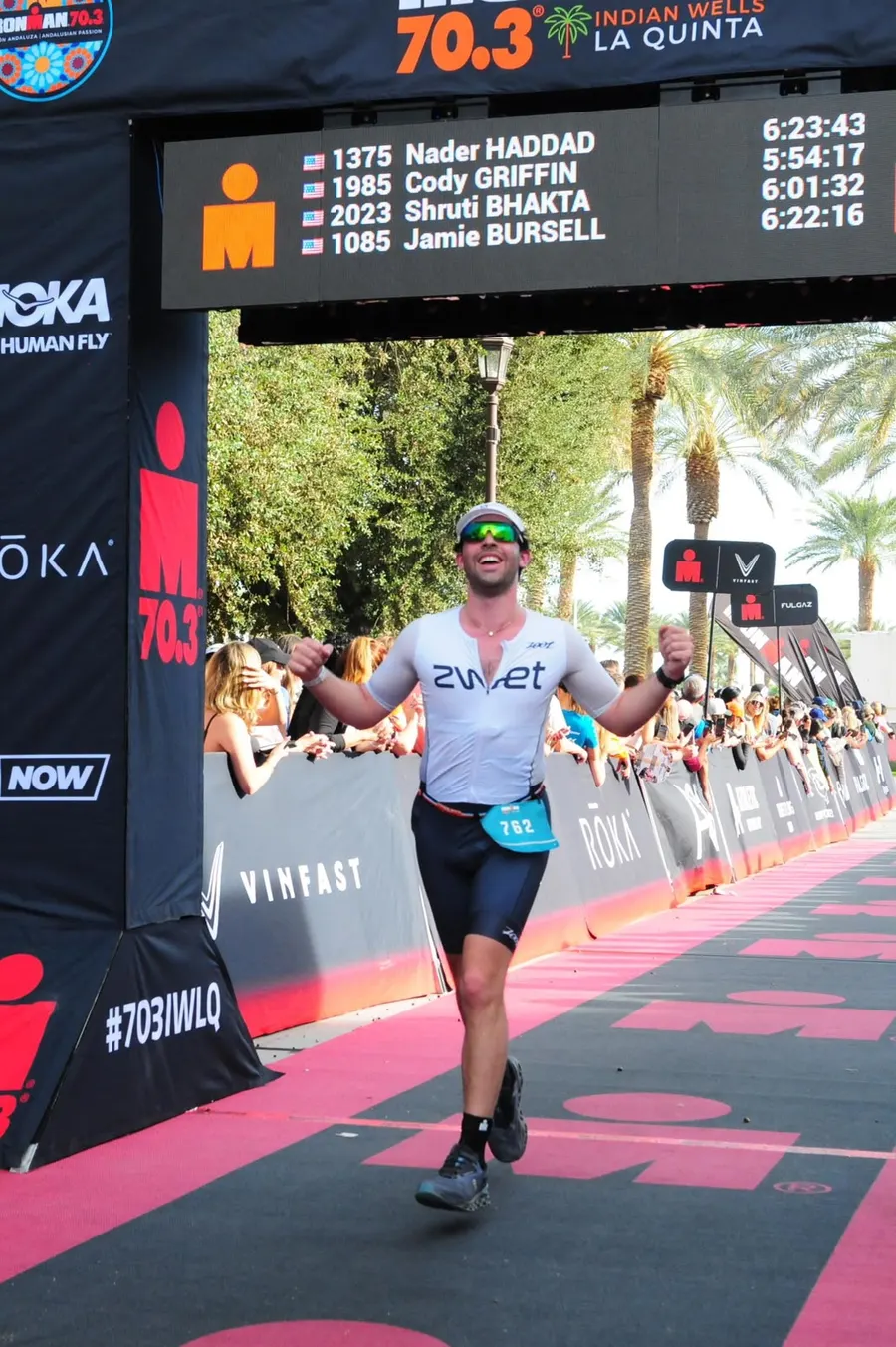
Ironman 70.3 Indian Wells · La Quinta.
Marathon
-
Berlin
I went out hard. Aerobically I felt untouchable, and for twenty-five kilometres I was. Then the bill came in: I had skipped the strength work, and the course collected on it — legs first, then ankles, then feet. From there it stopped being a race and turned into a decision I had to keep making, step after step. Past kilometre forty the real suffering started: two kilometres left, and they were the longest of my life. I crossed in 3:44:36, which tells you the engine was there and the structure under it was not. That is where the lesson landed, and it is not about running. Recovery, a preparation runway long enough to respect, and the distance itself are the three things we talk ourselves out of taking seriously — in a race and in a deal. I paid twenty-five kilometres to learn it, and I would not trade it.
Ice hockey
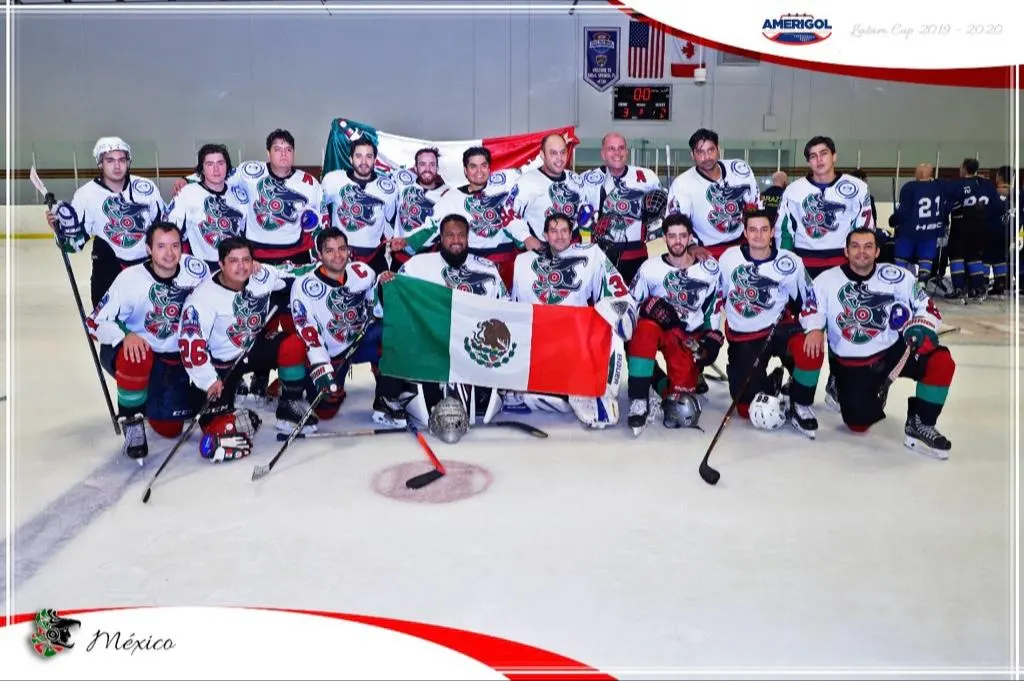
Mexico national team, 2018–2022.
-
National team
- Called up to Mexico’s national ice hockey team at 17, the youngest player in its history.
- Played the first Latam Cup, where we finished second to Colombia — a squad that has since sent two players to the NHL.
- Offered a contract in the AHL, one league below the NHL. I turned it down.
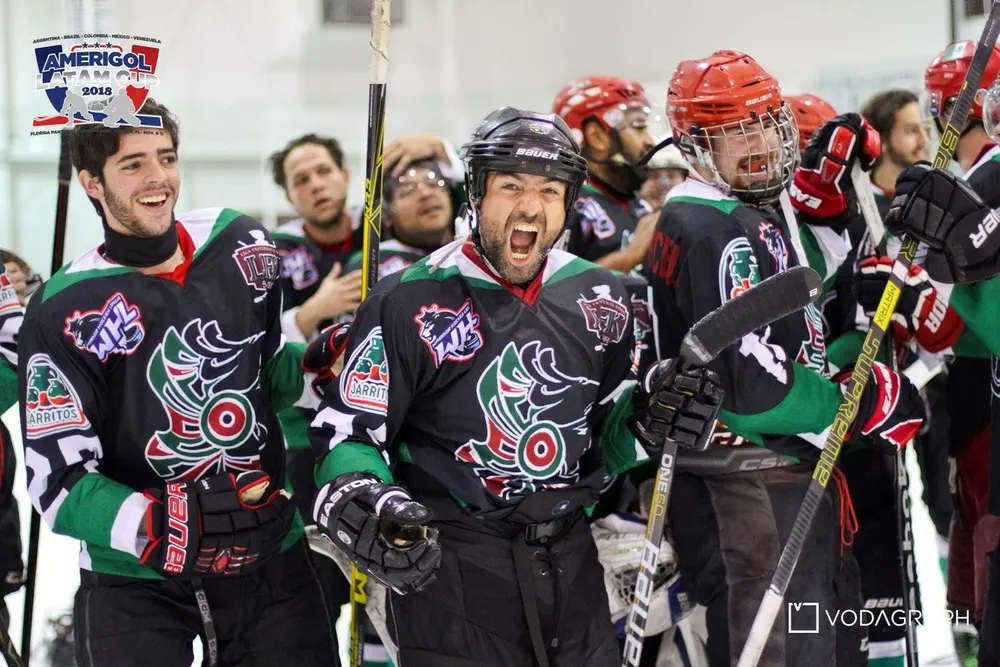
Amerigol Latam Cup 2018, Coral Springs, Florida — the first edition. -
Titles
- Two national championships, one of them as captain.
- Five Santa Fe league titles. The league runs twice a year; the national title is the champion-of-champions weekend played between the league winners.
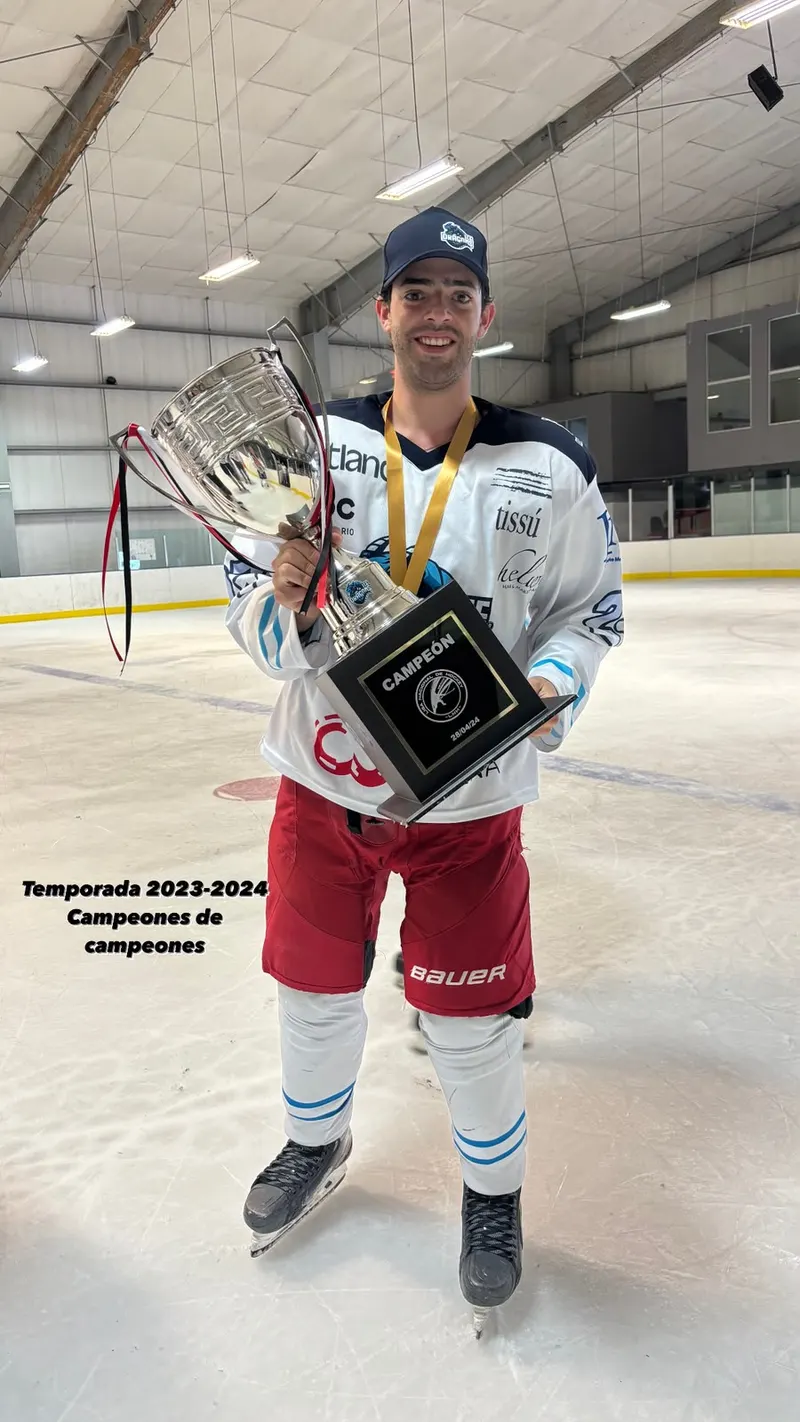
Champion of champions, 2023–24 season. The C on the jersey is the captaincy.
Emotional intelligence
Semiología de la vida cotidiana
-
Twelve courses
Twelve courses, around five hundred hours in total. It is a class about living a happier life: understanding other people, and not judging them. It gave me a language for things I had felt without being able to name, and it is where I found a version of myself that holds together. It is the centre of how I think about emotional intelligence — but it is not the whole of it. The rest is what I read, what I practise, and who I keep close.
Reading and practice
-
The maintenance
Around ten books on emotional intelligence and spirituality, Joe Dispenza among them. I meditate often. Neither of those is a project with an end date — they are the upkeep, and they are what keeps the coursework from being something I once did.
Day to day
Learning
-
A book and a half a month
What moves me is not the reading itself — it is wanting to know how things actually work. It is the same instinct that makes me take a financial model apart until I can see where every number comes from, and it is why picking up a new tool has never felt like extra work.
Health
-
Prevention, not repair
I pay attention to what I eat and I treat health as something to protect rather than fix later. The reason is not vanity: I think more clearly and I last longer when the basics are handled, and the work I do rewards being able to concentrate for a long time.
The people around me
-
A small circle, held a long time
What my friends tell me is that they come to me when they need a straight answer, and that they read me as objective. That is the compliment I would have chosen. I also choose deliberately who I spend time with: I want to be around people I would like to resemble — people with values, with real commitment, good at what they do, humble, and willing to lead.
Family
-
The part of the week I do not move
I am close to my parents, to my siblings and to the wider family — cousins, uncles and aunts. My grandparents I see every weekend, and usually more than that. It is not an obligation I keep up; it is the one thing in the calendar that everything else moves around.